
Published
4 minute read
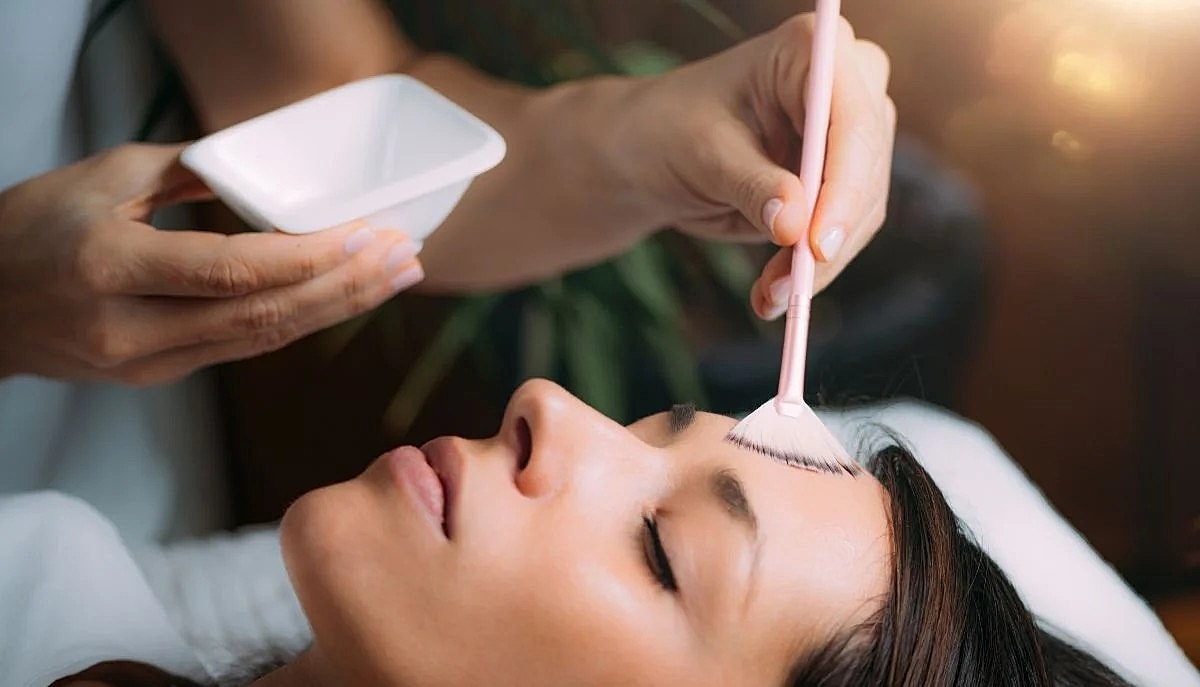
Are you curious about what happens during a chemical peel treatment? This revolutionary skincare procedure has become a cornerstone in cosmetic dermatology, offering a path to rejuvenated, radiant skin.
In this comprehensive guide, we delve into the transformative world of chemical peels. From the initial consultation to the post-treatment care, we’ll cover each step to demystify the process. Whether you’re considering a superficial peel or exploring deeper treatments, understanding what to expect is key.
As we navigate through types of chemical peels and their benefits, you’ll gain insights into how these treatments target various skin concerns, such as lines, wrinkles, and damaged skin cells. Plus, learn why your skin might be temporarily more sensitive to the sun post-treatment and how to manage it.
Chemical peels, a staple in cosmetic dermatology, involve the application of a specialized solution to the skin. This solution works meticulously to exfoliate and remove the outermost layers of damaged skin cells, unveiling a smoother, more youthful complexion.
The versatility of chemical peels lies in their varying depths:
Each type of peel is designed to target specific skin concerns, making them a customizable option for skin rejuvenation. Whether dealing with early signs of aging or more established skin issues, chemical peels offer a tailored approach to skin care.
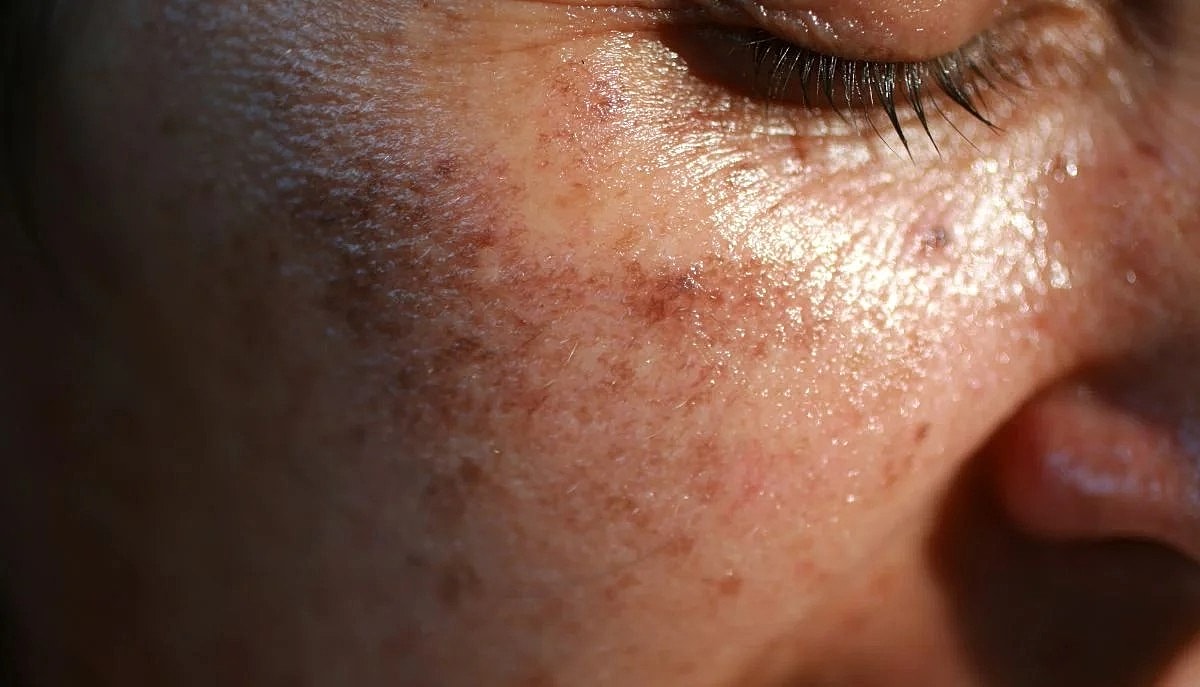
Chemical peels are an excellent choice for a wide range of individuals looking to enhance their skin’s appearance. They are particularly beneficial for:
It’s crucial to consult with a skincare professional, like those at Applied Aesthetic, to determine the most suitable type of chemical peel for your skin type and concerns.
Leveraging years of expertise in cosmetic dermatology, our experienced provider, Natalie Sharp, FNP-BC, will select a peel that aligns with your skin goals, ensuring a safe and effective treatment experience.
A successful chemical peel at Applied Aesthetic begins with meticulous preparation tailored to individual skin types and concerns. This approach includes:
This preparation phase is crucial in determining the type of chemical peel – be it a superficial peel for mild skin concerns or a medium or deep chemical peel for more intensive care.
Optimal preparation is key to maximizing the benefits of your chemical peel. Essential steps include:
These preparatory measures help in conditioning your skin, setting the stage for a more effective and safe chemical peel experience.
The treatment process at Applied Aesthetic is conducted with utmost precision and care:
Post-treatment care is pivotal in ensuring the health and longevity of your skin’s rejuvenated state:
Each of these steps is designed to ensure that your chemical peel experience at Applied Aesthetic is not only transformative but also aligned with the highest standards of safety and care.