Sun Damage


Understanding the effects of sun exposure is crucial when attempting to maintain a youthful and polished appearance. Dive into the world of skincare as we explore the impact of sun damage on your skin. In this guide, we’ll walk you through the nuances of sun damage, its long-term consequences, and proven strategies for protection and treatment.
Sun damage, a direct consequence of prolonged exposure to ultraviolet (UV) radiation, significantly affects skin health. Here’s what you need to know:

The sun emits UVA and UVB rays, both harmful to the skin in different ways.
Penetrate deep into the skin, causing long-term damage like photoaging.
Primarily responsible for sunburn and play a significant role in skin cancer development.
Sun damage can manifest on your skin in various ways, each with different implications for cosmetic dermatology.
Here’s a summarized list highlighting those particularly relevant for cosmetic treatments:
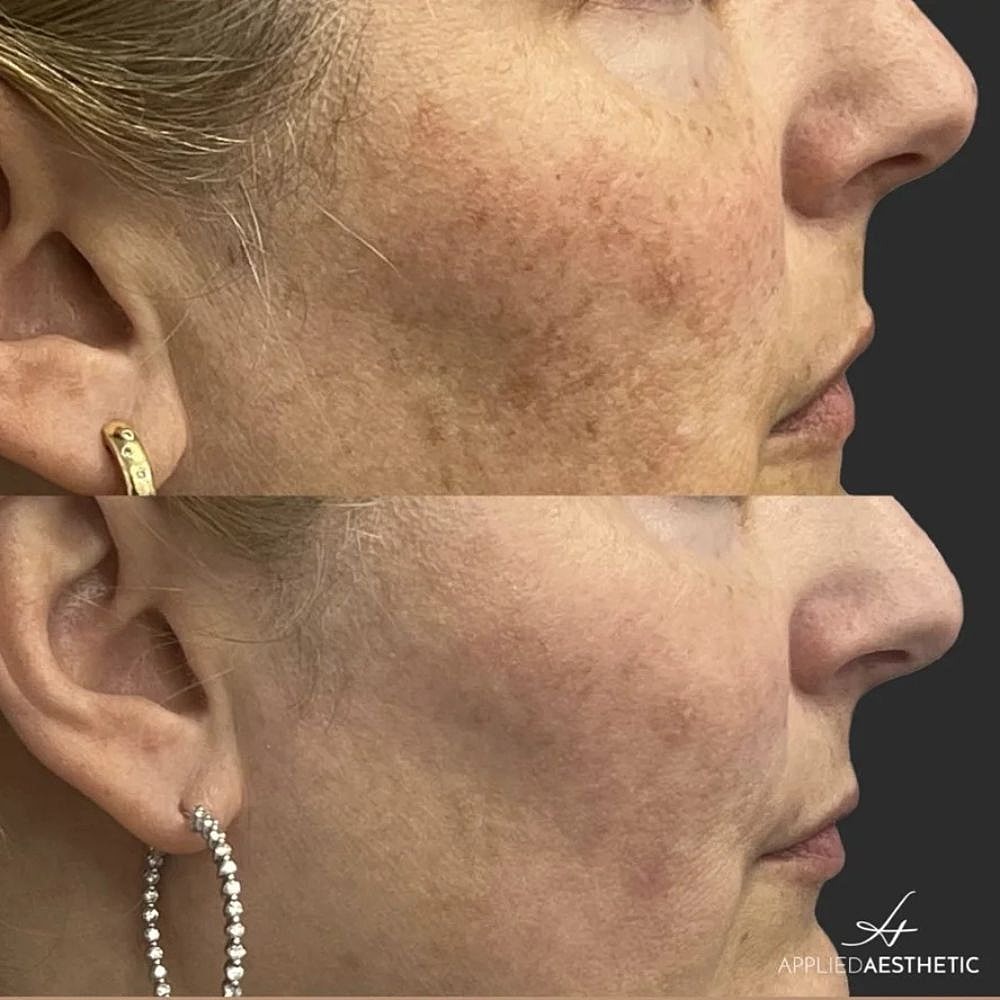
In cosmetic dermatology, the focus is often on treating sun-induced skin changes like wrinkles, fine lines, hyperpigmentation, and textural changes.
Procedures like laser therapy, chemical peels, and injectables are commonly used to restore a more youthful appearance and address damage caused by sun exposure. Regular skin check-ups are essential for early detection and treatment of more serious conditions like skin cancer.
Treating sun damage effectively involves a combination of professional dermatological treatments and at-home skincare practices. Here are some of the most effective solutions:
These treatments involve applying a chemical solution to the skin, causing it to exfoliate and eventually peel off, revealing newer, less damaged skin underneath. They are effective for treating sun spots, hyperpigmentation, and fine lines.
A minimally invasive procedure that gently exfoliates the skin to improve the appearance of sun damage, including sun spots and texture irregularities.
Involves creating tiny punctures in the skin to stimulate the body’s natural wound healing processes and collagen production, improving skin texture and firmness.
Used to treat deeper wrinkles and volume loss caused by sun damage, fillers can restore a more youthful appearance.
Regular visits to a dermatologist for skin evaluations, especially if you have a history of significant sun exposure.
Each treatment option has specific indications and suitability depending on the individual’s skin type, extent of sun damage, and overall skin health. It’s important to consult a dermatologist or skincare professional to determine the most appropriate treatment plan for your needs.
Protecting your skin from sun damage is crucial for maintaining its health and preventing premature aging and skin cancer. Incorporate SkinBetter Products into your Skincare Regime. Revolutionize your skincare routine with SkinBetter products, combining the best in sun protection and antioxidant nourishment.
For Sun Protection
Sunbetter: Tonesmart 75 SPF – Your Daily Defense: This broad-spectrum sunscreen, boasting a minimum SPF of 30, becomes your go-to defense, even on cloudy days and during winter. Reapply every two hours or more frequently if swimming or sweating.
For Anti-Oxidant Infusion
Skinbetter: Alto Advanced – Nourishment and Resilience: This must-have skincare solution sets the new gold standard in comprehensive (environmental and intrinsic) antioxidant defense. It is enriched with powerful antioxidants, nourishing your skin while enhancing its resilience against environmental stressors.
By combining these protective measures, you can significantly reduce your risk of sun damage, helping to maintain healthy, youthful-looking skin.
Stay under shade, especially during peak sun hours (10 a.m. to 4 p.m.), when the sun’s rays are strongest.
Protect your eyes and the surrounding skin by wearing sunglasses that block 100% of UVA and UVB rays.
Tanning beds emit harmful UV radiation similar to the sun and can increase the risk of skin cancer and accelerate skin aging.
Be aware that water, snow, and sand can reflect and intensify sun rays, increasing your risk of sunburn.
Protect your lips by using a lip balm with SPF protection.
Keeping your skin hydrated helps maintain its barrier function and overall health.
Regularly check your skin for new or changing spots, and visit a dermatologist annually for a professional skin exam.
Applied Aesthetic is centrally located in the heart of Garden City, Long Island. Applied Aesthetic is close to the LIRR (Long Island Rail Road), in a prime location bustling with cafes, restaurants and shopping centers. For those who live in NYC, Queens, Long Island & traveling to the Hamptons, we have all of your cosmetic dermatology treatments to do on your way!