
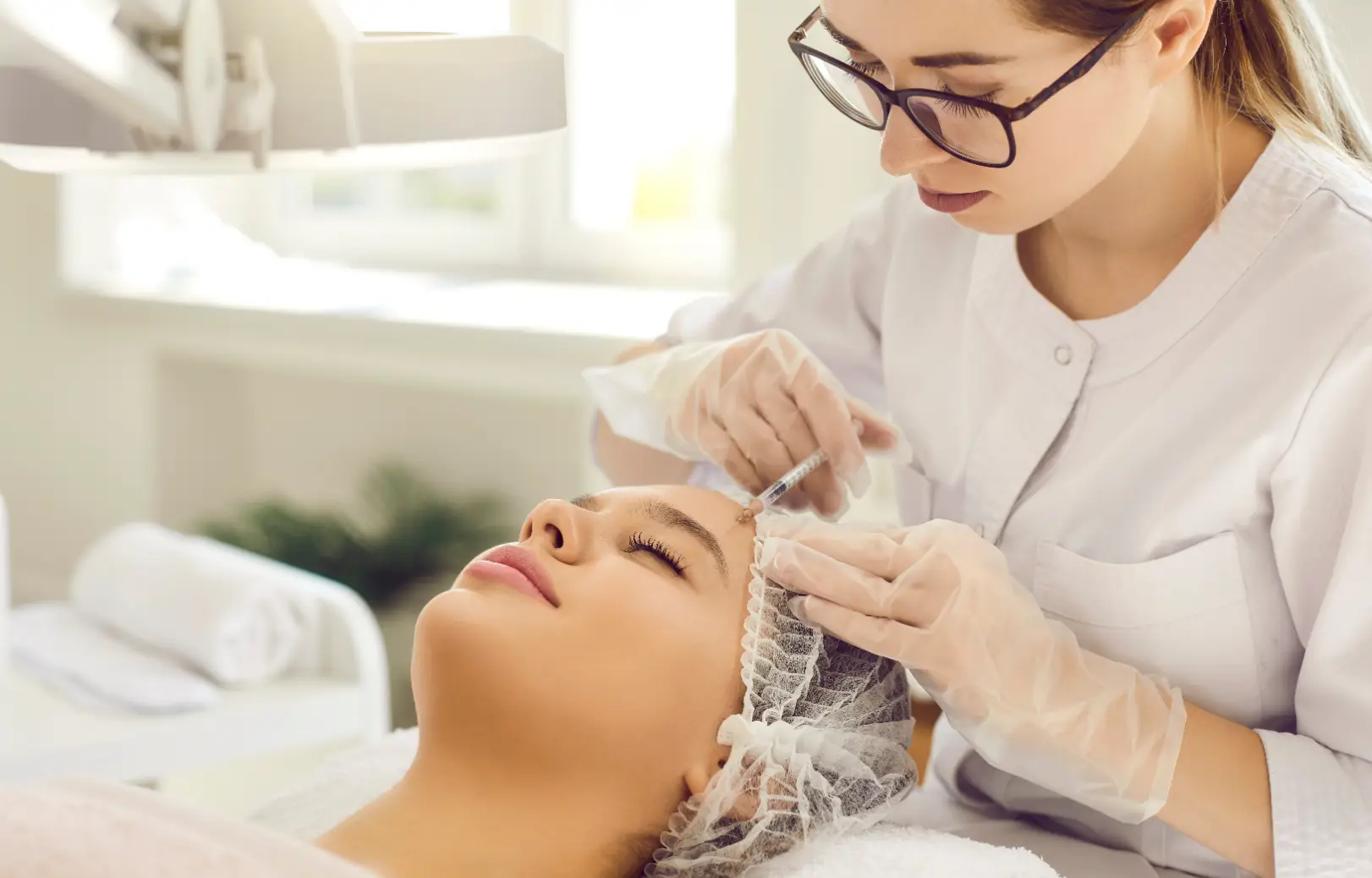
Collagen loss does not always announce itself with one obvious wrinkle. More often, the face simply begins to look less supported. Cheeks can appear flatter. Skin may feel thinner. The jawline may soften. Areas that once looked naturally firm can start to lose definition.
That is where biostimulators offer a different approach to facial rejuvenation. Rather than relying only on immediate volume, these treatments are designed to stimulate the body’s own collagen-building processes. The goal is gradual reinforcement from within.
At Applied Aesthetic, options such as Sculptra and Radiesse may be considered alongside regenerative treatments such as PRF EZ Gel, depending on the patient’s needs. Each works differently, but the larger philosophy is similar: support the skin and underlying structure instead of simply masking age-related changes.
If you are exploring collagen restoration treatments in Long Island, keep reading. Understanding how biostimulators work can help you see why some of the most natural-looking improvements happen slowly.
What Are Biostimulators?
Biostimulators are injectable treatments designed to encourage the body to produce more of its own structural proteins, particularly collagen.
Traditional hyaluronic acid fillers primarily add volume where product is placed. Biostimulators take a different route. They trigger a controlled biological response that encourages tissue remodeling over time.
This is why they are often described as collagen-building injectables. Common biostimulatory treatments may include:
- Sculptra
- Radiesse in selected applications
- Regenerative injectable approaches such as PRF-based treatments, depending on the treatment plan
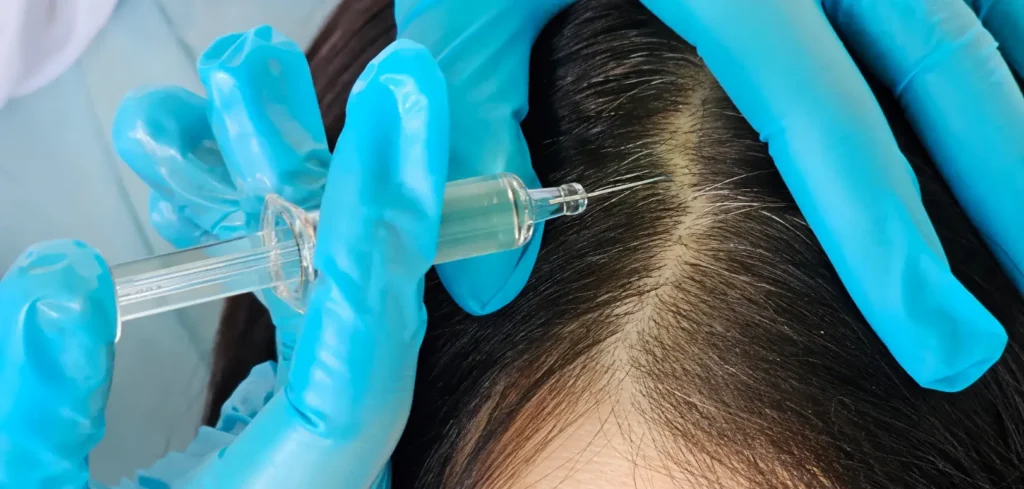
Applied Aesthetic also offers PRF EZ Gel and PRF or PRP-based hair restoration. These treatments belong to a broader regenerative category and use components derived from the patient’s own blood to support tissue renewal.
The exact treatment chosen depends on what needs improvement. Some patients need stronger structural support through the cheeks or lower face. Others are more concerned about skin quality, thinning tissue, or gradual loss of firmness. That is why consultation matters.
A biostimulator should not be selected simply because collagen loss is present. The provider needs to determine where the loss is happening, how advanced it is, and which treatment can address it most appropriately.
How Biostimulators Help Rebuild Facial Structure
Collagen is part of the framework that gives skin strength and support. As production declines with age, the face can lose some of that framework. Biostimulators work by encouraging gradual tissue remodeling instead of creating only a short-term cosmetic effect.
1. They Stimulate New Collagen Production
This is the defining feature of biostimulatory treatment. Collagen gives the skin tensile strength and contributes to firmness. With age, the body produces less of it. Existing collagen also becomes less organized.
A biostimulator collagen response encourages fibroblasts and surrounding tissue to begin rebuilding some of that support. The process takes time. That means results usually do not appear fully at the moment of injection. Instead, the skin and underlying tissues gradually change over the following weeks and months.
Patients may notice:
- Improved firmness
- Better skin quality
- More structural support
- Smoother transitions
- Gradual improvement in facial contours
The result tends to develop subtly because the body’s own remodeling process is doing much of the work.
2. They Address Structure, Not Just Surface Wrinkles
A wrinkle is sometimes only the visible clue. The real problem may involve deeper loss of support. When facial tissues become less structurally supported, several changes can occur at once. The cheeks may flatten. Shadows can deepen. The lower face can look heavier. Skin may begin to appear looser.
Treating each line individually does not always solve that bigger problem. Biostimulators take a broader approach. Instead of chasing isolated wrinkles, treatment can focus on strengthening the framework underneath them. This is one reason collagen restoration treatments in Long Island can be particularly appealing for patients who want gradual rejuvenation rather than obvious filling.
3. Sculptra Builds Gradually
Sculptra is one of the best-known biostimulatory injectables. It is made with poly-L-lactic acid, or PLLA. Once injected, it acts as a stimulus for collagen production rather than functioning simply as a traditional volumizing gel. Initial treatment may create some temporary fullness due to the fluid used during injection. That early appearance settles.
The more meaningful change develops later. As new collagen forms, patients may notice improved support and more youthful facial contours. Sculptra can be especially useful for patients who want:
- Gradual restoration
- Improvement in facial volume loss
- More support through selected areas
- A result that develops over time
Because results are progressive, patients should not expect the same immediate visual change associated with traditional filler. That slower timeline is part of the treatment’s appeal.
4. Radiesse Offers Structure With Biostimulation
Radiesse works somewhat differently. It contains calcium hydroxylapatite microspheres suspended in a gel carrier. Depending on how it is used, it can provide immediate structural support while also encouraging collagen and elastin production over time. This combination makes it versatile.
In some treatment plans, Radiesse may be used to improve contour or support in areas where stronger structure is needed. In other contexts, diluted or hyperdiluted techniques may be considered for skin quality and collagen stimulation.
The appropriate technique depends on the patient’s anatomy and goals. That is why Radiesse should not be viewed as one standardized injection. It can play different roles depending on how it is prepared and where it is placed.
5. Biostimulation Can Improve Skin Quality
Not every patient needs obvious volume replacement. Collagen-supportive treatments may help the skin appear:
- Firmer
- Smoother
- More resilient
- Better supported
- Less crepey in appropriate areas
This can be especially valuable when aging has affected the skin’s underlying framework rather than producing one isolated fold. The improvement is not identical to resurfacing.
Laser and peel treatments focus more on the surface and upper layers of skin. Biostimulatory injectables work deeper. Both can belong in the same rejuvenation plan because they address different layers.
6. PRF Offers a Regenerative Option
Applied Aesthetic also offers PRF EZ Gel. PRF, or platelet-rich fibrin, is created from the patient’s own blood. It contains platelets, fibrin, and naturally occurring growth factors that can support tissue repair and regeneration. PRF EZ Gel creates a more gel-like consistency that can be used in selected aesthetic areas.
It is not identical to Sculptra or Radiesse, and it should not be treated as interchangeable with them. However, it fits into a broader regenerative philosophy because it relies on the patient’s own biological components to support tissue quality. Depending on the treatment plan, PRF may be considered for patients who prefer:
- Autologous treatment
- Gradual improvement
- Support for tissue quality
- A regenerative approach
It can also be used in other contexts, including hair restoration. The key is matching the treatment to the concern rather than assuming every regenerative injectable does the same thing.
7. Results Develop Over Time
Biostimulatory treatment requires patience. Patients accustomed to immediate filler results sometimes expect to leave the office with their final outcome. That is not how collagen stimulation works.
The body needs time to respond. The timeline varies by product and patient, but improvement may continue for weeks or months after treatment. That gradual progression can be a major advantage.
Instead of suddenly looking different, patients often notice:
- Better firmness
- Improved contour
- More support
- Smoother-looking tissue
Friends may notice that they look refreshed without being able to identify a specific change. That subtlety is one of the reasons biostimulators appeal to patients who want natural-looking rejuvenation.

8. More Than One Session May Be Needed
Collagen restoration is rarely a one-and-done process. Depending on the product and degree of age-related change, a series of treatments may be recommended. Sculptra, for example, is commonly planned as a series because collagen builds progressively. The exact number of sessions depends on:
- Age
- Facial anatomy
- Degree of volume loss
- Skin quality
- Treatment area
- Desired level of correction
- Individual biological response
A provider should reassess progress rather than automatically giving the same amount to every patient. This keeps treatment personalized and helps avoid unnecessary volume.
Rebuild What Time Has Gradually Changed
Collagen loss is one of the quietest parts of facial aging. By the time the face begins looking flatter, softer, or less supported, that change has often been developing for years. Biostimulators offer a way to address that process by encouraging the body to rebuild some of the structural support it has gradually lost.
At Applied Aesthetic in Garden City, NY, treatments such as Sculptra, Radiesse, and selected regenerative options can be considered as part of a personalized rejuvenation plan. Under the leadership of Natalie Sharp, FNP-BC, patients benefit from more than a decade of dermatology expertise combined with an artistic perspective on minimally invasive aesthetic treatments.
Call us today to schedule your appointment!