
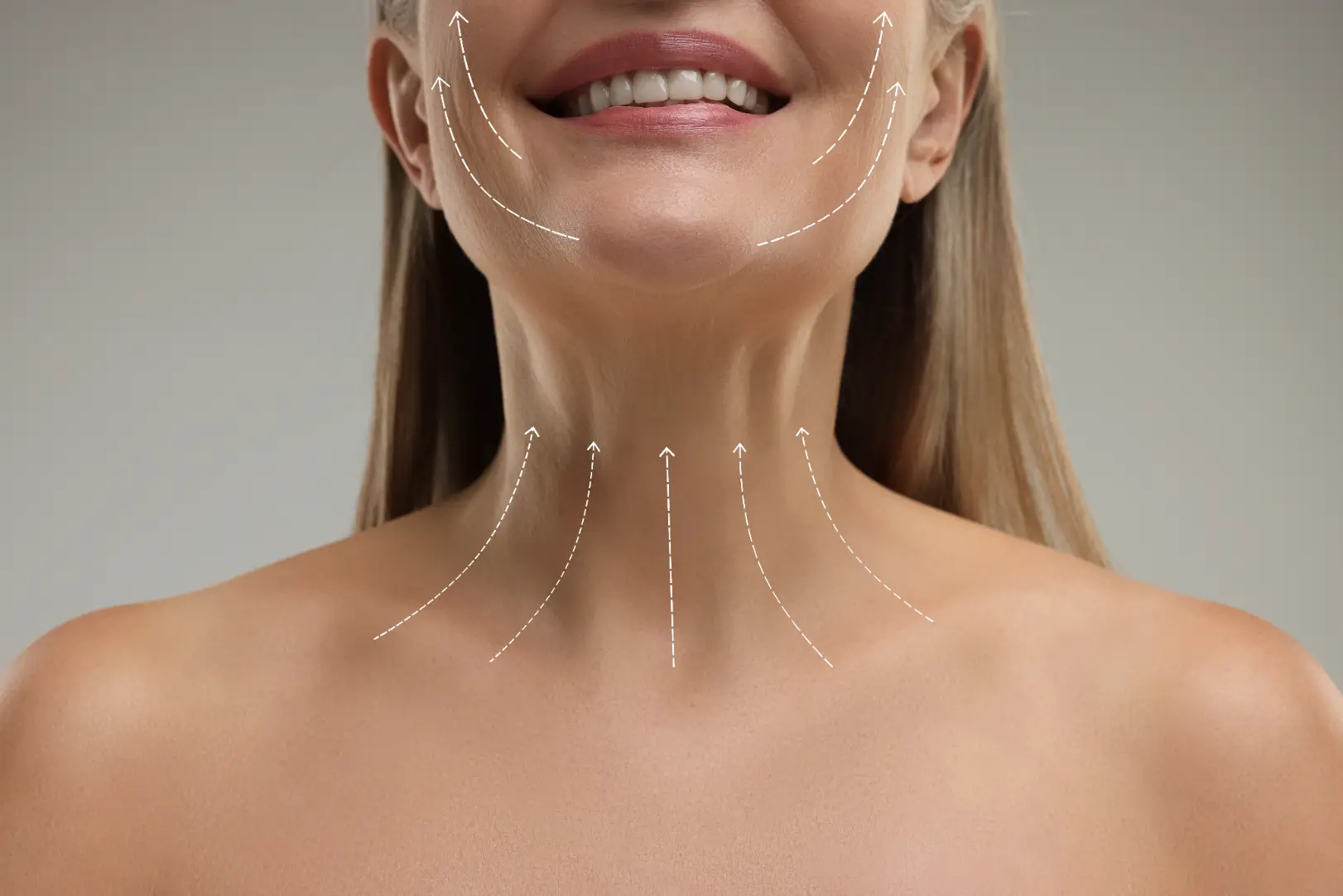
The neck can tell a different aging story than the face. You may be diligent about skincare and still notice thin, crepey texture developing below the jaw. Vertical neck bands may become more obvious when you speak, turn your head, or tense the area. These changes aren’t necessarily happening for the same reason, which is why treating them with a single solution doesn’t always make sense.
Neck rejuvenation takes a more thoughtful approach. Instead of treating every neck concern as simple skin laxity, it considers muscle activity, collagen loss, texture, and overall skin quality. At Applied Aesthetic, options such as Botox, HALO, SkinPen Microneedling, and PRF can target different pieces of that picture.
Read here to understand what each treatment does and why combining the right approaches can create a smoother, firmer, more refreshed-looking neck.
What Is Neck Rejuvenation?
Before choosing a treatment, it helps to understand what is actually changing beneath the skin. Neck rejuvenation is an individualized approach to improving visible aging throughout the neck. Rather than referring to one procedure, it can involve different treatments chosen according to the concern being addressed.
The neck is particularly vulnerable to visible aging because its skin is relatively thin. Collagen and elastin gradually decline, environmental exposure accumulates, and repeated movement continues day after day. The platysma, a broad superficial muscle extending through the neck, can also become more visible as vertical bands.
A treatment designed to relax an overactive muscle won’t necessarily resurface rough skin. Likewise, resurfacing can improve texture but isn’t designed to relax prominent platysmal bands. For patients considering neck rejuvenation in Garden City, the first question shouldn’t simply be, “What’s the best neck treatment?” A more useful question is, “What’s creating the change I see?”
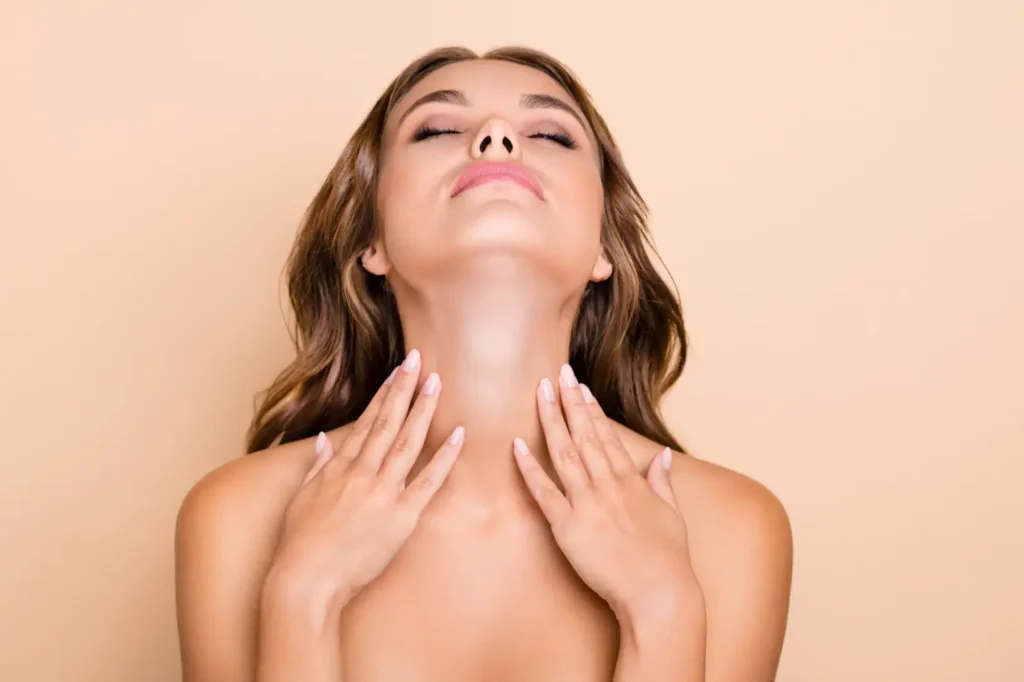
Treatments for Crepey Skin and Neck Bands
Applied Aesthetic offers several options that can be incorporated into neck rejuvenation, including Botox, HALO, SkinPen Microneedling, and PRF. Each works differently, allowing treatment to be matched to the underlying concern instead of approaching every neck the same way.
Botox: Soften Prominent Neck Bands
Some neck concerns are driven less by skin quality and more by muscle activity. Vertical neck bands often involve the platysma. As this muscle contracts, prominent cords can become visible from the lower neck toward the jawline. They may appear primarily with movement at first and become more noticeable over time.
Botox can be strategically injected into selected portions of the platysma to reduce excessive muscular contraction. As the targeted muscle activity relaxes, vertical bands can look softer and the neck may appear smoother. This approach is especially helpful for dynamic neck bands. It does not add volume or resurface the skin. Instead, it addresses the movement contributing to the visible concern.
That distinction makes Botox an important part of a comprehensive treatment strategy. A patient with strong platysmal bands and otherwise healthy skin may need a very different plan from someone whose main concern is thin, crepey texture.
Results also aren’t permanent. Muscle activity gradually returns, so maintenance treatments may be appropriate for patients who want to preserve the effect.
HALO: Renew Weathered Skin
The neck gets plenty of environmental exposure, yet it often receives less protection than the face. Years of sunlight can contribute to uneven pigmentation, rough texture, fine lines, and an overall weathered appearance.
HALO is a hybrid fractional laser designed to resurface the skin and promote renewal. It can address visible signs of photodamage while supporting improvements in texture and skin quality. This can make HALO valuable when neck rejuvenation needs to go beyond firmness alone.
Think of the difference this way: laxity describes how firmly skin sits, while texture describes the quality of its surface. A neck can have both problems at once. HALO can be used to address concerns such as:
- Uneven skin tone
- Sun-related pigmentation
- Roughness
- Fine lines
- Textural irregularities
- Overall skin quality
As the skin heals after fractional treatment, its renewal response can lead to a smoother and more refined appearance.
Patients should remember that laser treatment on the neck requires careful planning. Neck skin differs from facial skin, so settings and treatment strategy should be selected specifically for the area.
For someone searching for a crepey neck treatment, resurfacing may be one part of the answer when fine texture and accumulated sun damage are major contributors.
SkinPen Microneedling: Encourage Collagen Renewal
Crepey skin often develops as the skin’s supportive framework becomes less robust. That makes collagen an important part of the conversation. SkinPen Microneedling uses controlled micro-injuries to stimulate the skin’s natural repair process. These microscopic channels initiate a healing response that supports collagen and elastin remodeling.
Unlike a treatment that simply changes the surface temporarily, microneedling works by prompting the skin to participate in its own renewal. For the neck, this may help improve:
- Fine lines
- Crepey texture
- Mild textural irregularities
- Overall skin quality
- The appearance of thin, aging skin
Results aren’t instant. Collagen remodeling takes place gradually, which means improvement can continue after the skin has recovered from the initial treatment. A series may be recommended depending on the condition of the skin and the degree of improvement desired.
SkinPen can be particularly attractive to patients who aren’t looking to change their facial structure or add volume. Instead, the goal is better-quality skin that looks smoother and healthier.
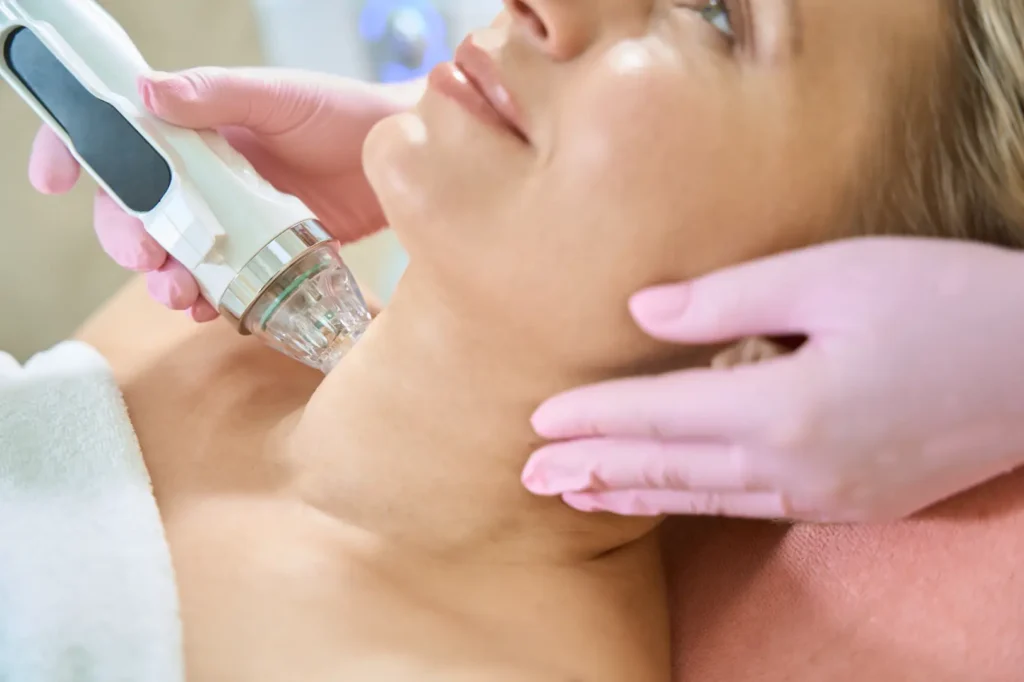
PRF: Support Regeneration From Within
Platelet-Rich Fibrin, or PRF, brings a regenerative component to neck rejuvenation. PRF is derived from the patient’s own blood. After processing, the platelet-rich portion contains components involved in the body’s natural healing processes. It can be incorporated into aesthetic treatment plans to support tissue quality and rejuvenation.
For aging neck skin, PRF may be used when the goal is gradual improvement rather than dramatic structural change. It can also complement treatments such as microneedling. Controlled stimulation from microneedling creates a regenerative response, while PRF can be incorporated to support the overall rejuvenation strategy. This pairing makes sense when crepey texture reflects declining skin quality rather than a single isolated wrinkle.
PRF isn’t designed to relax neck bands in the way Botox does. Nor does it provide the same resurfacing action as HALO. Its value lies in supporting a regenerative approach to skin quality. That is why treatment selection matters so much. Each modality has a different job.
Combining Treatments: Address More Than One Layer
A neck rarely ages in only one way. A patient may have vertical bands from platysmal activity, fine crepiness from collagen decline, and uneven texture from years of sun exposure. Choosing just one procedure could improve one concern while leaving the others relatively unchanged.
A combination approach allows different treatments to address different components. For example, Botox may soften prominent neck bands while SkinPen Microneedling targets texture and collagen remodeling. HALO could be considered when photodamage and resurfacing are priorities.
PRF may complement a regenerative plan focused on improving skin quality. These treatments don’t necessarily need to happen during the same appointment. A phased plan can allow the skin to respond appropriately while giving providers an opportunity to evaluate improvement before moving to the next stage. This also prevents treatment from becoming unnecessarily aggressive.
For patients exploring neck tightening in Long Island, this individualized approach can be much more useful than automatically choosing whichever treatment happens to be trending.
Give Your Neck the Same Attention as Your Face
The neck doesn’t need to look artificially tight to look rejuvenated. Often, improvement comes from addressing the right combination of muscle activity, texture, collagen decline, and accumulated skin damage.
At Applied Aesthetic in Garden City, NY, Natalie Sharp, FNP-BC, brings more than a decade of dermatology experience to every treatment plan. As an ANCC Board-Certified Family Nurse Practitioner, she has built her reputation on delivering natural-looking outcomes through thoughtful evaluation and personalized care.
If crepey skin or neck bands are beginning to distract from an otherwise refreshed appearance, Natalie can help create a treatment strategy designed to bring the face and neck back into better visual harmony.
What are you waiting for? Book your consultation today!