

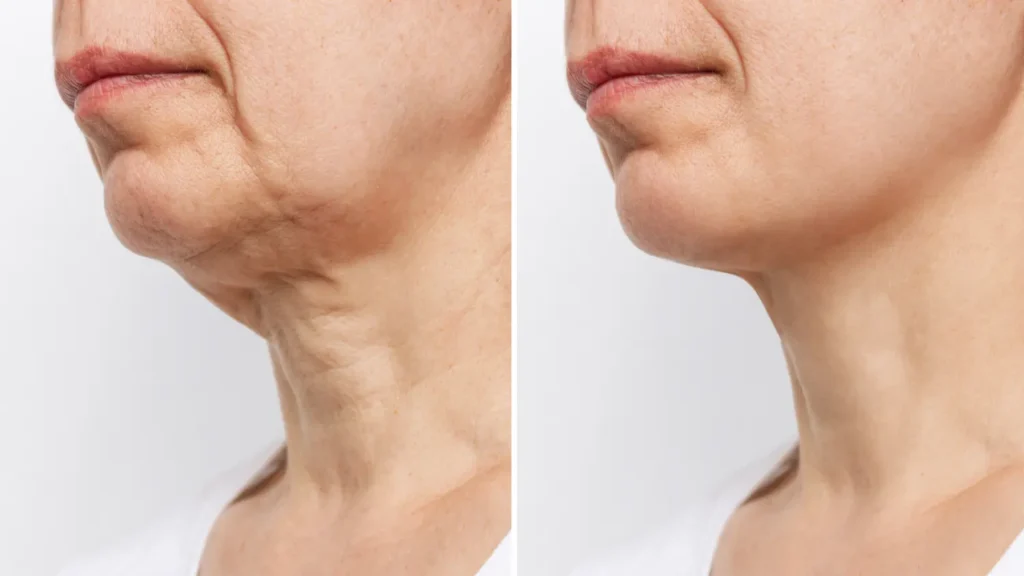
Neck rejuvenation tightens loose neck skin, softens wrinkles, and improves skin laxity by stimulating collagen and strengthening underlying tissue. Non-surgical treatments such as collagen-stimulating injectables, RF microneedling, and targeted injectables address concerns like tech neck lines, crepey texture, and early sagging while maintaining natural facial balance.
Many patients seeking neck rejuvenation benefit from treatments that improve collagen production and skin elasticity. Treatments such as hyperdilute Radiesse neck rejuvenation stimulate collagen while improving skin firmness and texture across delicate areas like the neck and décolletage. At Applied Aesthetic in Garden City, NY, treatment plans focus on strengthening the skin gradually, helping patients achieve smoother, more refined results over time.
Why the Neck Shows Signs of Aging Earlier Than the Face
Neck skin develops wrinkles and laxity earlier because its structure contains thinner tissue and fewer protective glands. These structural differences reduce resilience against environmental stress and repetitive movement.
Neck Skin Structure: Thinner Dermis and Fewer Oil Glands
The dermis of the neck contains fewer oil glands and a thinner collagen matrix compared with facial skin. Reduced oil production increases dryness and weakens the skin barrier, which accelerates the appearance of fine lines and creases. Thinner skin also reveals structural changes more quickly, especially along the jawline and cervicomental angle.
Collagen and Elastin Loss as Primary Drivers of Neck Laxity
Collagen and elastin maintain firmness and elasticity. Aging slows collagen production, which weakens skin structure and contributes to loose skin and wrinkles. Research shows collagen levels decline approximately 1 percent per year after early adulthood. This reduction gradually decreases skin thickness and resilience, leading to sagging neck contours and crepey texture.
Environmental Contributors to Neck Aging
Sun exposure accelerates collagen breakdown through ultraviolet radiation. Photoaging increases pigmentation irregularities and weakens connective tissue. Many individuals apply sunscreen to the face while overlooking the neck, which leaves this area vulnerable to premature aging.
Daily lifestyle habits also influence skin health. Smoking, dehydration, and poor sleep patterns increase oxidative stress and reduce skin repair capacity.
Anatomical Factors Influencing Neck Aging
Underlying muscles shape neck movement and contour. The platysma muscle runs vertically from the chest to the jawline and creates visible bands when tension increases over time. Changes in the cervicomental angle, the natural angle between the chin and neck, also influence the perception of aging. As skin loses elasticity and supportive fat shifts, the jawline appears less defined, and the neck profile softens.
What Is “Tech Neck” and How Does It Cause Horizontal Neck Lines?
Tech neck develops when repetitive downward head posture creates horizontal folds across the neck skin. Frequent smartphone use and prolonged screen time increase this repetitive movement, which gradually deepens skin creases.
Tech Neck Defined: Repetitive Flexion from Smartphone and Device Use
Modern work habits encourage prolonged forward head posture. When the head tilts downward, the neck bends and compresses the skin repeatedly. This repeated folding gradually forms visible lines across the neck.
How Repetitive Neck Folding Creates Horizontal “Necklace Lines”
Horizontal neck lines often appear across the lower and mid-neck. Dermatology literature describes these as “necklace lines” because they resemble the placement of a necklace. Repeated skin compression weakens collagen fibers, which causes lines to deepen over time.
Difference Between Tech Neck Lines and Natural Age-Related Neck Wrinkles
Age-related wrinkles develop from collagen loss and thinning skin. Tech neck lines develop primarily through repetitive movement. Many patients experience both factors simultaneously. Collagen decline weakens the skin, while repeated flexion intensifies crease formation.
Early Warning Signs of Tech Neck
Common early indicators include:
- horizontal lines appearing during neutral posture
- mild skin creasing across the neck
- early laxity under the jawline
Early treatment improves skin resilience and prevents deeper wrinkle formation.

What Are the Most Common Signs of Neck Aging?
Neck aging develops through several visible structural changes. These changes often appear gradually and vary depending on genetics, sun exposure, and collagen levels.
Neck Wrinkles and Horizontal Necklace Lines
Horizontal lines develop when collagen fibers weaken, and repetitive movement folds the skin. These wrinkles may appear during younger years due to tech neck habits and deepen as skin elasticity declines.
Skin Laxity and Sagging Neck Skin
Loss of collagen and elastin reduces skin firmness. As supportive tissue weakens, the skin stretches and begins to sag. Mild laxity often appears along the jawline and lower neck before progressing toward deeper folds.
Crepey Neck Texture Caused by Collagen Depletion
Crepey skin describes a thin, finely wrinkled texture resembling crepe paper. Reduced collagen density and hydration create this fragile surface texture. Sun exposure and aging accelerate this process.
Platysmal Neck Bands and Muscle Separation
The platysma muscle forms vertical bands when muscle tension increases or when surrounding tissue loses support. These bands often become more visible during facial movement or neck extension.
Submental Fullness and Double Chin Accumulation
Submental fat accumulates beneath the chin and softens jawline definition. Weight fluctuations and aging contribute to this concern. Increased fullness in this area changes the neck profile and can exaggerate the appearance of sagging skin.
What Is Neck Rejuvenation and How Does It Improve Neck Skin Quality?
Neck rejuvenation improves skin structure, elasticity, and contour through targeted treatments that stimulate collagen and strengthen tissue. Treatments address wrinkles, laxity, and skin texture while maintaining natural facial harmony.
Neck Rejuvenation Treatments Restore Collagen, Elasticity, and Skin Structure
Collagen-stimulating procedures activate the body’s regenerative processes. These treatments strengthen connective tissue and improve skin thickness over time. As collagen increases, skin appears smoother and firmer.
Injectable biostimulators, RF microneedling, and laser treatments represent common approaches used in modern cosmetic dermatology. Each method targets different layers of the skin to improve texture and structural support.
Goals of Neck Rejuvenation
Most treatment plans focus on four core outcomes:
- tightening loose neck skin
- smoothing wrinkles and horizontal lines
- improving skin texture and tone
- enhancing jawline and neck contour
A personalized treatment plan combines methods depending on skin quality and patient goals.
Neuromodulators for Platysmal Neck Bands and Neck Lines
Neuromodulators soften dynamic neck wrinkles by relaxing overactive muscles. Botox injections target the platysma muscle, which forms vertical bands along the neck as muscle tension increases with age.
How Botox Relaxes Platysma Muscles
Botox temporarily blocks nerve signals to the platysma muscle. Reduced muscle contraction decreases the visibility of vertical bands and softens tension across the neck. This relaxation also reduces pulling along the jawline.
The Nefertiti Lift Technique for Neck Contouring
Injectors sometimes apply neuromodulators using a technique called the Nefertiti lift. Strategic injections along the jawline and platysma improve neck contour and create a subtle lifting effect. Results typically appear within one to two weeks and last several months.
Laser and Light Treatments for Neck Texture and Sun Damage
Laser and light-based treatments improve neck skin quality by targeting pigmentation, sun damage, and surface irregularities.
How Laser Resurfacing Stimulates Collagen and Improves Skin Tone
Laser resurfacing delivers controlled thermal energy that removes damaged skin cells while stimulating collagen production. As new skin forms, the neck develops smoother texture and more even tone.
How Broadband Light Treatments Improve Pigmentation and Redness
Broadband light therapy targets melanin and hemoglobin within the skin. This technology reduces sun spots, redness, and uneven pigmentation while encouraging mild collagen stimulation.
Together, these treatments restore clarity and improve the overall appearance of the neck and décolletage.
How Collagen Stimulation Tightens Loose Neck Skin Over Time
Collagen stimulation strengthens skin structure and gradually tightens loose tissue. Treatments that activate collagen production improve skin thickness and elasticity, which restores firmness across the neck.
Collagen Remodeling and Skin Thickening
Collagen fibers form the structural framework of the dermis. Treatments such as biostimulators and RF microneedling stimulate fibroblasts to produce new collagen fibers. As collagen density increases, skin becomes stronger and less prone to sagging.
Elastin Production and Improved Skin Elasticity
Elastin allows skin to stretch and return to its original shape. Collagen-stimulating treatments support elastin production, which improves the skin’s ability to resist folding and wrinkling.
Timeline for Visible Neck Rejuvenation Results
Most collagen-based treatments produce results gradually.
Typical progression includes:
| Treatment Phase | Skin Response |
| Immediately after treatment | mild tightening and improved skin tone |
| 4–6 weeks | increased collagen activity and improved texture |
| 3–6 months | stronger skin structure and visible tightening |
Gradual improvement allows results to appear natural and harmonious with surrounding facial features.
Who Is a Good Candidate for Non-Surgical Neck Rejuvenation?
Non-surgical neck rejuvenation works best for patients experiencing early to moderate signs of aging who prefer subtle improvement without surgical intervention.
Patients Experiencing Early Neck Wrinkles or Tech Neck Lines
Individuals with horizontal neck lines caused by device use or repetitive movement often respond well to collagen-stimulating treatments and neuromodulators.
Individuals With Mild to Moderate Neck Skin Laxity
Patients with early sagging skin often benefit from treatments that rebuild collagen and improve elasticity.
Patients Seeking Subtle Enhancement Without Surgery
Many individuals prefer treatments that enhance skin quality gradually while preserving natural facial expression and movement.
Preventative Treatments for Patients in Their 30s and 40s
Preventative care strengthens collagen before deeper wrinkles develop. Early treatments maintain skin resilience and delay structural aging.
How Long Do Neck Rejuvenation Results Typically Last?
Treatment longevity depends on the technology used and the patient’s skin biology.
| Treatment Type | Typical Duration |
| Neuromodulators for neck bands | 3–4 months |
| RF microneedling treatments | progressive improvement for several months |
| Collagen-stimulating injectables | 12–18 months |
| Fat reduction injections | permanent reduction of treated fat cells |
Maintenance treatments support collagen levels and preserve skin firmness over time.
Restore a Smoother, More Refined Neck Profile
Neck rejuvenation strengthens collagen, improves skin elasticity, and refines the contour between the chin and neck. Modern non-surgical treatments allow patients to address wrinkles, laxity, and texture with minimal downtime while maintaining a natural appearance.
Patients interested in improving neck skin quality can schedule a personalized consultation with the team at Applied Aesthetic in Garden City, NY. A customized treatment plan evaluates skin condition, anatomy, and aesthetic goals to create results that enhance confidence while preserving natural beauty.
Frequently Asked Questions About Neck Rejuvenation
What Is the Best Treatment for Neck Wrinkles?
The most effective treatment depends on the cause of the wrinkles. Horizontal lines from repetitive movement often respond well to neuromodulators, while skin laxity and crepey texture improve with collagen-stimulating treatments.
Can Neck Skin Tighten Without Surgery?
Non-surgical treatments stimulate collagen production and improve skin elasticity. RF microneedling, collagen-stimulating injectables, and laser treatments tighten skin gradually without surgical incisions.
Does RF Microneedling Tighten the Neck?
RF microneedling delivers thermal energy into the dermis, which stimulates collagen production and tightens skin. Patients often experience improved firmness and smoother texture over several months.
What Causes Horizontal Neck Lines?
Repeated bending of the neck during smartphone use or prolonged screen time creates horizontal creases known as tech neck lines. Collagen loss with aging deepens these folds.
How Long Does Neck Rejuvenation Last?
Longevity varies by treatment type. Neuromodulators typically last several months, while collagen-stimulating treatments improve skin quality for a year or longer.