
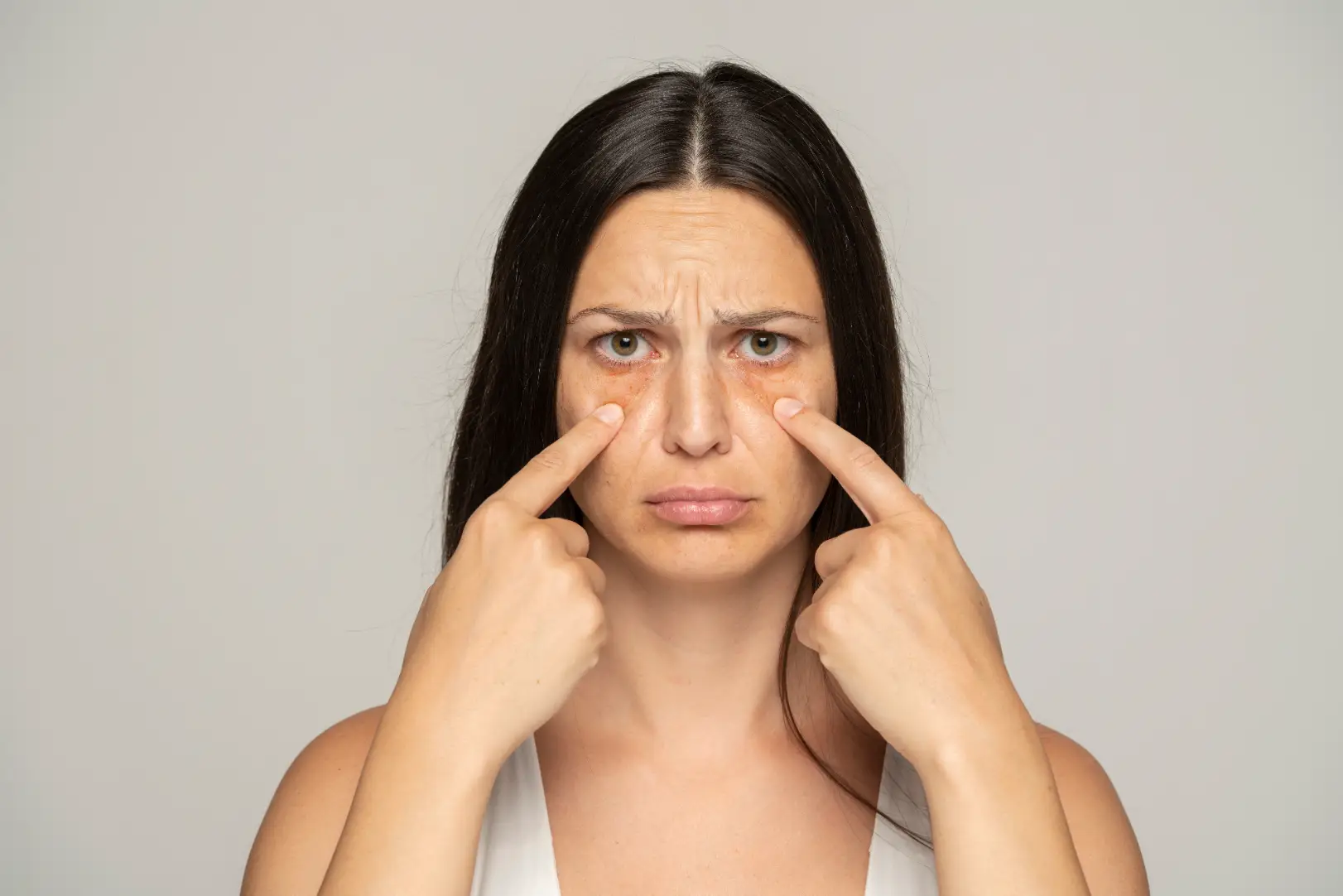
Some people can get a full night of sleep and still hear the same question the next morning: “Are you tired?” Hollow eyes, shadows, fine lines, and thinning skin can create a fatigued appearance that has very little to do with how rested you actually feel. Genetics, facial anatomy, aging, pigmentation, and changes in skin quality can all play a part.
Under-eye rejuvenation takes a more thoughtful approach. Instead of treating every under-eye concern as the same problem, it looks at what is actually creating the tired appearance. Depending on the patient, treatment may involve PRF EZ Gel, hyaluronic acid dermal filler, skin resurfacing, or a carefully planned combination.
Read on to understand why the cause matters and how a conservative treatment plan can help the eyes look brighter and more refreshed without making them look overdone.
What Is Under-Eye Rejuvenation?
Under-eye rejuvenation is a personalized approach to improving concerns around the lower eyelids and the transition between the eyes and cheeks. This delicate area can change in several ways. Some patients lose volume and develop hollows. Others notice discoloration, fine lines, crepey texture, or shadows. Often, more than one concern is present at the same time.
That is why under-eye rejuvenation in Garden City should begin with an assessment rather than a predetermined treatment. Depending on the cause, treatment options at Applied Aesthetic may include:
- PRF EZ Gel for a regenerative approach to selected under-eye concerns
- Hyaluronic acid dermal filler for appropriate cases of volume loss and hollowness
- Skin resurfacing with MOXI for crepey texture, fine lines, and surface-level discoloration
The goal is not simply to “fill the tear trough.” The under-eye area requires precision and conservative treatment. Sometimes adding volume is appropriate. Sometimes improving the skin itself matters more. In other cases, a combination may create a more balanced result.
How Under-Eye Rejuvenation Creates a More Rested Look
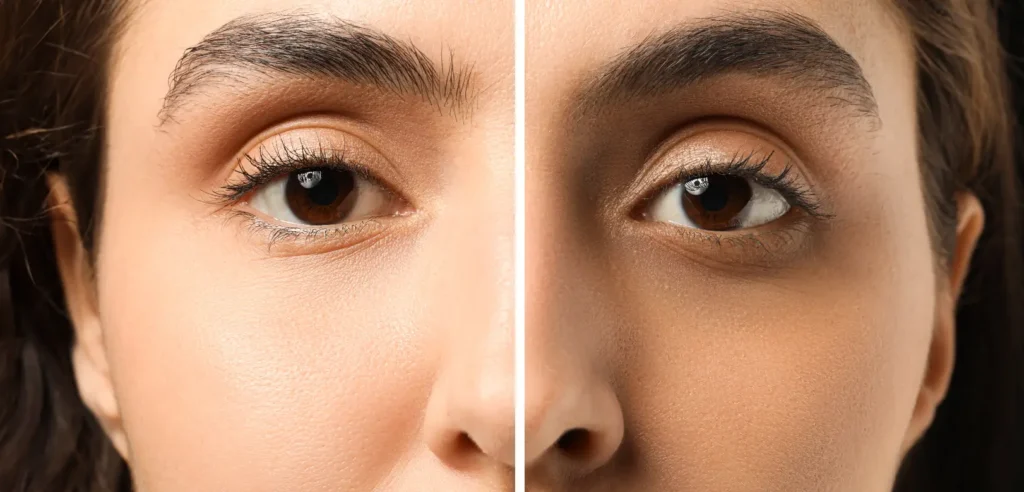
A refreshed under-eye area begins with identifying why someone looks tired in the first place. From there, treatment can address the specific layers contributing to the concern.
1. It Identifies the Cause of Hollowing
Under-eye hollows are not simply empty spaces that need to be filled. The area beneath the eyes has a complex relationship with the cheek, orbital bone, fat compartments, skin, and surrounding facial structures.
Genetics can create naturally deep tear troughs even in younger adults. Aging may make them more noticeable as facial support changes. This is why patients concerned about under-eye hollowness in Long Island benefit from a complete facial assessment.
A provider may look at the depth of the hollow, cheek support, skin thickness, lower-eyelid anatomy, and how light falls across the face. A shadow caused by volume loss requires a different approach from actual pigmentation. Understanding that distinction can prevent unnecessary treatment.
2. Hyaluronic Acid Filler Can Restore Select Volume
For carefully selected patients, hyaluronic acid dermal filler may help soften a hollow transition beneath the eyes. Hyaluronic acid is a substance naturally found in the body. Injectable formulations can add controlled volume beneath the skin. When appropriately placed, filler can reduce the depth of certain hollows and create a smoother transition from the lower eyelid into the cheek.
The operative word is controlled. The under-eye region is not an area where more filler automatically means a better result. Excess product can create puffiness, heaviness, or an unnatural appearance. A conservative approach respects the anatomy.
Some patients may also need support in neighboring facial areas rather than direct placement beneath the eyes. Improving cheek structure, for example, may change the way the under-eye transition appears. The treatment plan should follow the face rather than a standard injection pattern.
3. PRF EZ Gel Offers a Regenerative Approach
Not every patient wants or needs traditional filler. PRF EZ Gel provides another option for selected under-eye concerns. PRF, or platelet-rich fibrin, is prepared using components from the patient’s own blood. It contains platelets and growth factors within a fibrin matrix.
The resulting material can be used as part of a regenerative treatment strategy. Rather than approaching the under-eye area solely through added synthetic volume, PRF-based treatment focuses on supporting natural tissue renewal. This may appeal to patients seeking a more regenerative approach to under-eye rejuvenation.
PRF EZ Gel and hyaluronic acid filler are not identical treatments, however. They behave differently and may be chosen for different reasons. A consultation can determine which approach better matches the patient’s anatomy, skin quality, and goals.
4. Darkness Is Not Always Pigmentation
Dark circles are one of the most misunderstood under-eye concerns. A dark-looking area may come from actual pigment. But it can also be caused by shadowing from a hollow, thin skin that makes underlying structures more visible, or a combination of factors. This explains why a product marketed for “dark circles” may have little effect for some people.
Imagine a deep under-eye hollow. Light hits the upper portion of the face while the depression beneath it falls into shadow. The area looks dark even if the skin itself is not significantly more pigmented. In that situation, brightening the surface alone may not address the primary cause.
Conversely, adding volume to genuinely pigmented skin does not remove the pigment. Successful treatment starts by knowing which problem is actually present.
5. MOXI Can Address Surface-Level Discoloration
When surface pigmentation contributes to under-eye darkness, improving skin quality may become part of the plan. Applied Aesthetic uses gentle MOXI resurfacing for appropriate patients with concerns such as surface-level discoloration around the under-eye area.
MOXI is a light-based resurfacing treatment designed to improve tone and texture. For the under-eye zone, conservative treatment may help address visible discoloration without relying on more aggressive resurfacing.
This can be especially helpful when darkness is related to skin quality rather than structural hollowing alone. It also demonstrates why under-eye rejuvenation does not have to mean injections. The right treatment depends on the cause.
6. Resurfacing Can Refine Crepey Texture
The skin around the eyes is naturally thin. As collagen and elastin change over time, that delicate skin may become increasingly crepey. Fine lines can become more visible, particularly when smiling or when the skin is dehydrated.
Adding filler underneath poor-quality skin does not necessarily correct its surface texture. Resurfacing addresses the problem from another direction. For patients with crepey texture or fine lines beneath the eyes, gentle MOXI treatment may help improve skin quality. The goal is a smoother and more refined appearance rather than artificial fullness. This distinction matters when planning a tired eyes treatment.
If texture is creating the fatigued appearance, improving texture may be more useful than adding volume.
7. Treatment Can Address Multiple Causes
One of the most valuable ideas in aesthetic medicine is that patients do not have to fit neatly into one category.
- You can have hollowness and pigmentation.
- You can have fine lines and volume loss.
- You can have naturally thin skin combined with age-related structural changes.
A personalized plan can account for these overlapping concerns. For example, one patient may benefit from regenerative treatment first and resurfacing later. Another may need conservative filler to address structural hollowing. Someone else may primarily need treatment for skin texture.
Combining modalities does not mean doing everything at once. It means selecting treatments that perform different jobs and sequencing them thoughtfully.
8. The Cheeks May Be Part of the Picture
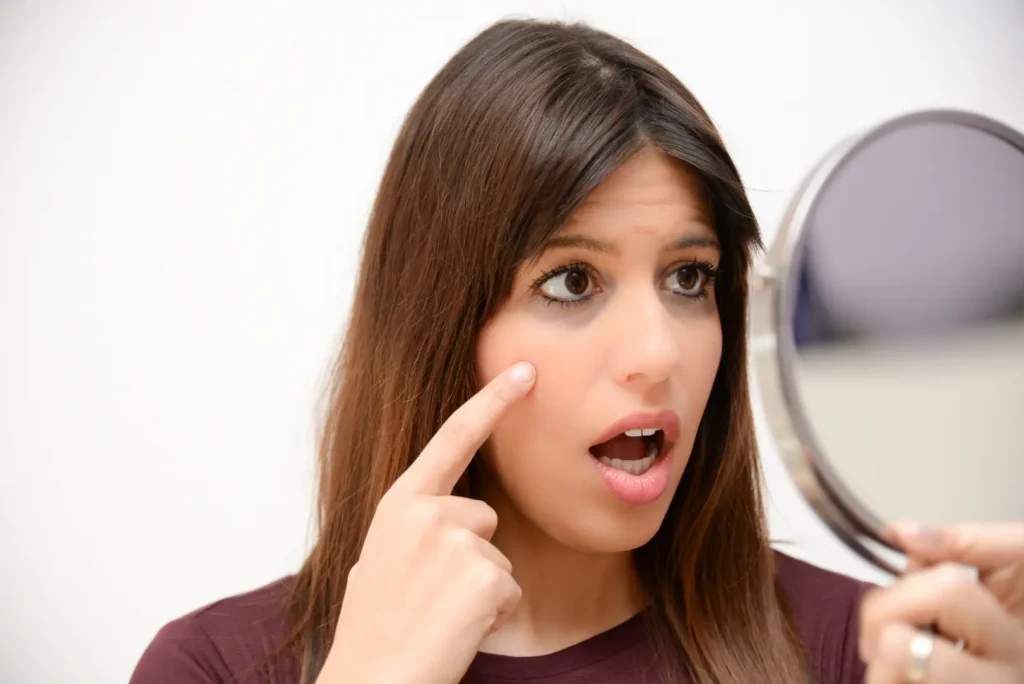
Patients often point directly beneath their eyes when describing what bothers them. But the underlying issue may extend beyond that small area. The midface helps support the transition between the lower eyelid and cheek. With aging, changes in facial fat, bone, and soft tissue can affect this relationship.
Treating only the hollow may sometimes overlook the larger structural picture. A full-face assessment can reveal whether neighboring areas contribute to the appearance of fatigue. This does not mean every under-eye patient needs cheek filler.
It means treatment should consider facial relationships rather than viewing the eye area in isolation. Subtle support in the correct location can sometimes create a more natural result than concentrating treatment directly beneath the eye.
Small Changes Can Refresh the Whole Face
The eyes influence how the entire face is perceived. When hollows deepen, shadows become stronger, or delicate skin develops more texture, the face can look fatigued even when you feel perfectly well. Thoughtful under-eye rejuvenation focuses on the reason behind that appearance rather than applying the same solution to everyone.
At Applied Aesthetic in Garden City, NY, under-eye treatment can draw from regenerative PRF EZ Gel, hyaluronic acid dermal filler, and gentle MOXI skin resurfacing based on the patient’s needs. Under the leadership of Natalie Sharp, FNP-BC, patients benefit from more than a decade of dermatology expertise combined with an artistic perspective on minimally invasive aesthetic treatments.
Connect with us today to book your appointment!