
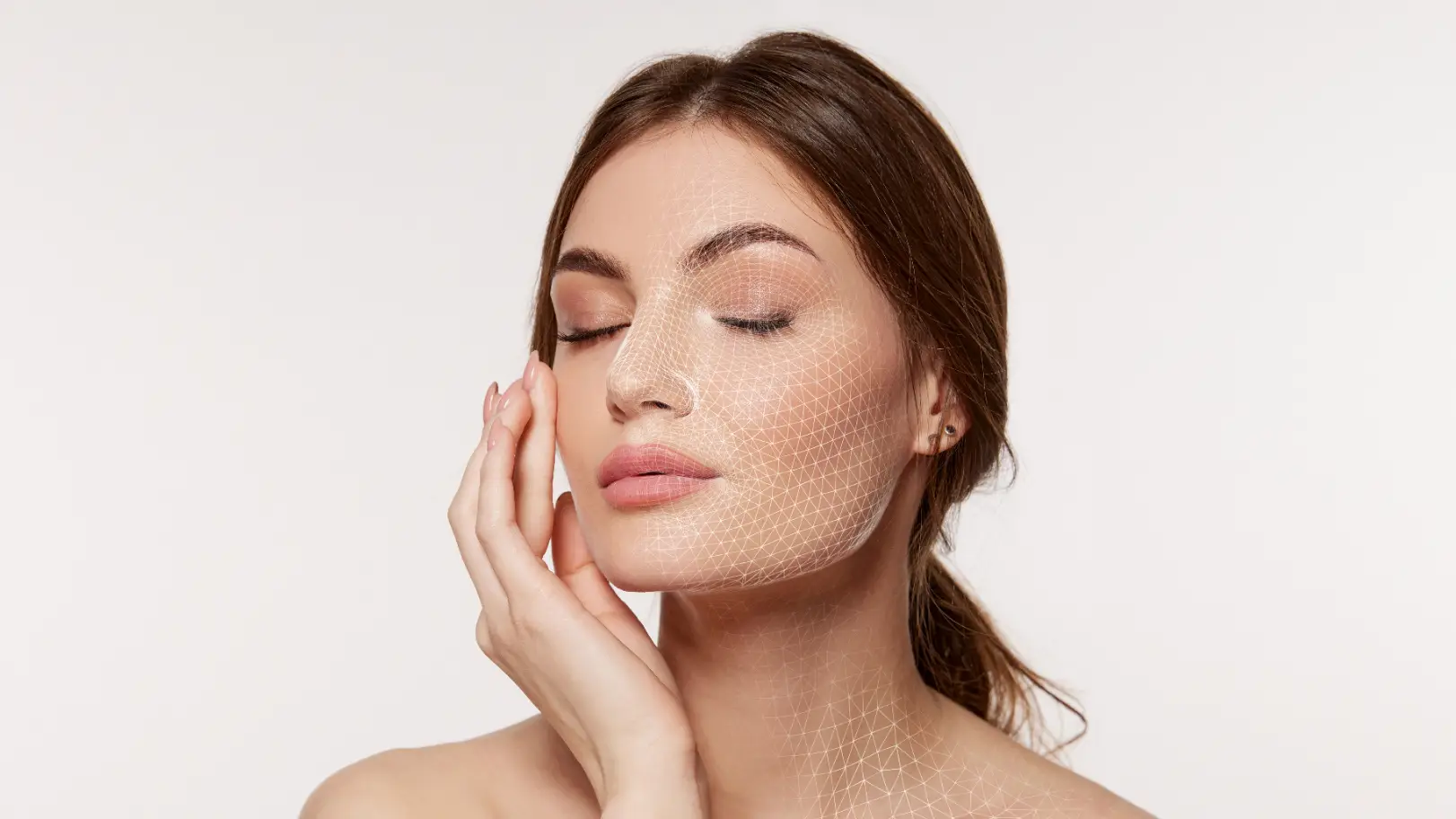
Pigmentation has a way of changing how your entire complexion looks. A few scattered brown spots, patches of uneven tone, or lingering discoloration can make otherwise healthy skin appear dull and tired.
Add early fine lines and rougher texture, and you may start wanting more than another brightening serum. At the same time, not everyone wants an aggressive laser treatment or a lengthy recovery.
That middle ground is where MOXI shines. This gentle, non-ablative fractional laser treatment is designed to refresh pigmentation, texture, and early signs of aging while keeping recovery relatively manageable. It can also fit beautifully into a preventive approach for patients who want to care for their skin before deeper concerns develop.
Continue reading to see what makes MOXI different and what you can realistically expect from treatment.
Meet MOXI
Before deciding whether a laser belongs in your skincare plan, it helps to understand exactly what it does. MOXI is an FDA-cleared, non-ablative fractional laser that uses a 1927 nm wavelength.
Rather than aggressively removing the outer layers of skin, it delivers controlled fractional energy into targeted areas. This stimulates the skin’s natural renewal process while leaving surrounding tissue intact.
At Applied Aesthetic, MOXI may be considered for patients looking to improve concerns such as pigmentation, sun damage, uneven tone, rough texture, and early visible aging. It can be used across skin types and tones when appropriately selected and customized.
MOXI is often described as gentle laser resurfacing, but “gentle” does not mean ineffective. Its appeal comes from balancing meaningful skin renewal with a less aggressive treatment experience.

What You Should Know About MOXI Laser Resurfacing
MOXI is not simply a lighter version of every other laser. Its wavelength, fractional delivery, customizable intensity, and preventive applications give it a distinct role in modern skin rejuvenation.
It Targets Pigmentation Without an Aggressive Reset
Pigmentation can develop for many reasons. Years of UV exposure can create visible brown spots and uneven tone. Hormonal changes may contribute to discoloration. Even subtle pigment irregularities can affect how bright and uniform the complexion appears.
MOXI delivers fractional laser energy into the skin, creating microscopic treatment zones that encourage renewal. As treated skin goes through this process, unwanted pigmentation can gradually move toward the surface and shed. You may temporarily notice tiny darkened areas or a rough, sandpaper-like texture as the skin responds. That transition is part of the resurfacing process.
Rather than dramatically stripping away the skin’s surface, MOXI takes a more controlled approach. For someone who wants pigmentation correction but is hesitant about an aggressive laser procedure, that difference can make treatment considerably more approachable.
It Works on Texture, Too
Pigmentation may bring someone through the door, but tone is rarely the only concern. Skin can gradually become less smooth because of environmental exposure, natural aging, dehydration, and slower cellular turnover. Makeup may stop sitting as evenly as it once did. The complexion can also lose some of the fresh quality associated with smoother skin.
MOXI laser addresses texture through fractional resurfacing. The microscopic treatment zones prompt the skin to renew itself while untreated surrounding tissue supports recovery. Over time, this can leave the surface looking more refined and even.
That combination matters. Correcting discoloration without addressing texture can still leave the complexion looking less polished. By targeting both concerns, MOXI takes a broader approach to skin quality.
It Has Become a Popular Prejuvenation Treatment
You do not need advanced wrinkles or significant sun damage before you’re allowed to take skin aging seriously. This philosophy is often called prejuvenation. Instead of waiting for visible aging to become pronounced and then attempting to reverse it, prejuvenation focuses on maintaining skin quality earlier.
Treatments may be used strategically to address subtle changes while supporting healthier-looking skin over time. This is one reason MOXI for early aging has attracted attention among younger adults.
Perhaps you are beginning to notice faint pigmentation that was not there several years ago. Maybe your skin feels slightly rougher or no longer has the same even glow. Those changes may not justify an aggressive resurfacing procedure, but they can still be worth addressing. MOXI offers an option between skincare alone and more intensive corrective procedures.
Treatment Can Be Customized
Not everyone arrives with the same skin history, and MOXI should not be treated as a one-setting-fits-all procedure. One patient may be primarily concerned with scattered pigmentation. Another may want general skin maintenance. Someone else might have accumulated sun damage and need a more corrective approach.
MOXI treatment intensity can be adjusted according to factors such as the condition of the skin, treatment area, tolerance, and desired outcome. This flexibility also means your treatment plan may change over time.
Your first series might focus more heavily on correction. Later appointments may become maintenance treatments designed to preserve improvements. The goal is not simply to “get a laser.” It is to use the technology appropriately for what your skin needs at that particular point.
It Can Fit Into a Busy Schedule
Traditional laser resurfacing can deliver significant improvement, but recovery is often an important consideration. Not everyone can take substantial time away from work, family commitments, or social plans.
MOXI was developed with a gentler approach in mind. Patients commonly experience redness and warmth after treatment. The skin can also develop a dry or rough texture as microscopic treatment debris moves toward the surface.
These effects generally evolve over the following days. This is why MOXI is sometimes casually described as a no-downtime laser, but that phrase deserves context. “No downtime” does not necessarily mean your skin will look completely untouched immediately afterward.
You may still have visible redness, roughness, or temporary darkening of pigment. The more accurate advantage is that MOXI generally involves less recovery than aggressive ablative resurfacing. Many patients can continue much of their regular routine while the skin completes its renewal process.
Results Develop in Stages
Laser resurfacing is not a filter that switches on the moment treatment ends. Your skin has biological work to do. During the first several days, the complexion may begin progressing through its initial renewal phase. As superficial treatment effects settle, patients can start noticing a brighter appearance.
According to Applied Aesthetic’s treatment information, an initial glow can appear within days. Progressive improvement may continue over approximately two to three months. That timeline matters because the best way to evaluate moxi laser resurfacing is not by staring at the mirror the morning after treatment. Give your skin time to respond.
The gradual nature of the improvement also contributes to a natural-looking result. Instead of suddenly appearing dramatically different, your complexion can progressively look clearer, smoother, and more refreshed.
One Session Isn’t Always the Whole Plan
MOXI can create visible changes after a single treatment, but the ideal number of sessions depends on your starting point. A patient seeking light maintenance may have different needs from someone addressing years of uneven pigmentation. Treatment intensity matters as well.
Some patients benefit from a planned series to progressively improve the skin. After reaching their desired level of correction, maintenance treatments may help support those results. This is where a personalized consultation becomes important.
Rather than choosing a random number of sessions because you saw someone else’s experience online, your provider can evaluate your skin and recommend a schedule based on what is actually visible. More treatment is not automatically better. The right amount of treatment is better.

MOXI Isn’t Only for the Face
The face gets most of the attention in skincare conversations, but it is not the only area that shows environmental damage. The neck, chest, and other frequently exposed areas may develop uneven pigmentation and changes in texture as well.
Depending on candidacy, MOXI can be used beyond the face to create a more cohesive approach to skin rejuvenation. This can be particularly useful when someone’s face looks relatively bright because of years of diligent skincare, while nearby areas reveal more obvious sun exposure.
Treating skin strategically can create a smoother transition rather than stopping rejuvenation at the jawline.
A Gentler Path to Refreshed Skin
Not every complexion needs an aggressive overhaul. Sometimes the smarter approach is controlled, progressive renewal that addresses the changes you are beginning to notice without asking you to put life on hold.
MOXI offers that balance. From uneven pigmentation and early sun damage to texture and preventive rejuvenation, this non-ablative fractional laser can help patients pursue clearer, smoother, more refreshed-looking skin with a relatively manageable recovery.
At Applied Aesthetic in Garden City, NY, Natalie Sharp, FNP-BC, brings more than a decade of dermatology experience to every treatment plan. As an ANCC Board-Certified Family Nurse Practitioner, she has built her reputation on delivering natural-looking outcomes through thoughtful evaluation and personalized care.
Book your consultation today!