

As the air cools and sunlight grows gentler, winter offers more than a reason to reach for your favorite knit layers; it quietly opens a window for one of the most effective skin investments: the HALO laser. Known for its dual-action resurfacing power and collagen-boosting effects, HALO is especially well-suited for the colder months when the environment naturally supports optimal healing.
At Applied Aesthetic in Garden City, HALO is performed with precision and personalization, designed to renew your skin’s texture, tone, and radiance over time.
For those exploring HALO laser fractional skin resurfacing in Garden City, winter is often the season we recommend to begin your journey, particularly if you’re hoping to glow by spring.
Why Winter Is the Ideal Time for HALO Laser Treatments
Following any resurfacing treatment, the skin becomes more sensitive to UV light. This makes fall and winter prime seasons to begin laser-based renewal. The shorter days, lower UV index, and increased time spent indoors create an environment that protects the skin during its most vulnerable stages, reducing the likelihood of post-inflammatory hyperpigmentation or unwanted irritation.
Winter also supports comfort during the recovery period. Cool air helps ease inflammation, and there’s a natural pause in high-exposure activities like beach days, outdoor workouts, or travel-heavy social calendars. For clients balancing professional schedules, school breaks, or upcoming events, this timing allows for discreet downtime and effortless compliance with post-care protocols.
How HALO Works, And Why It’s Perfect for Seasonal Skin Repair
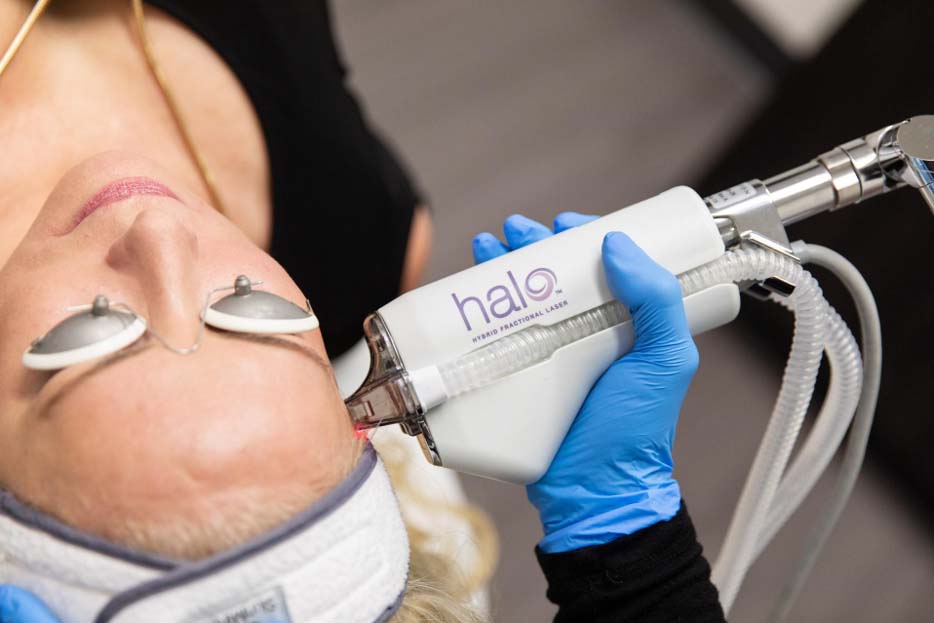
The HALO laser is a hybrid fractional device that combines both ablative and non-ablative wavelengths. This means it can treat more serious dermal damage while simultaneously smoothing the surface of the skin, all in a single session, with personalized intensity settings tailored to your skin’s needs.
At Applied Aesthetic, HALO treatments are calibrated using the OBSERV 520x system, which allows Natalie Sharp, FNP-BC, to map each client’s skin condition with precision. Whether you’re addressing fine lines, rough texture, visible pores, or signs of photoaging, HALO adapts in depth and energy, delivering clinically effective outcomes while respecting the integrity of your skin barrier.
This modality is especially valuable during winter, when skin tends to feel dull, dry, or depleted. HALO not only renews the outermost layers but also stimulates long-term collagen regeneration, supporting resilience and hydration from within.
What Skin Concerns Does HALO Laser Target in Winter?
Many clients arrive in the colder months seeking a seasonal reset. HALO shines in its ability to address a wide range of skin concerns, especially those made more noticeable by dry air or past summer sun exposure. Common winter skin goals include:
- Dry patches and rough texture
- Sun damage, freckles, or discoloration
- Fine lines and crepey skin
- Visible pores and uneven tone
- Acne scarring or post-inflammatory pigment
- Dullness and lack of luminosity
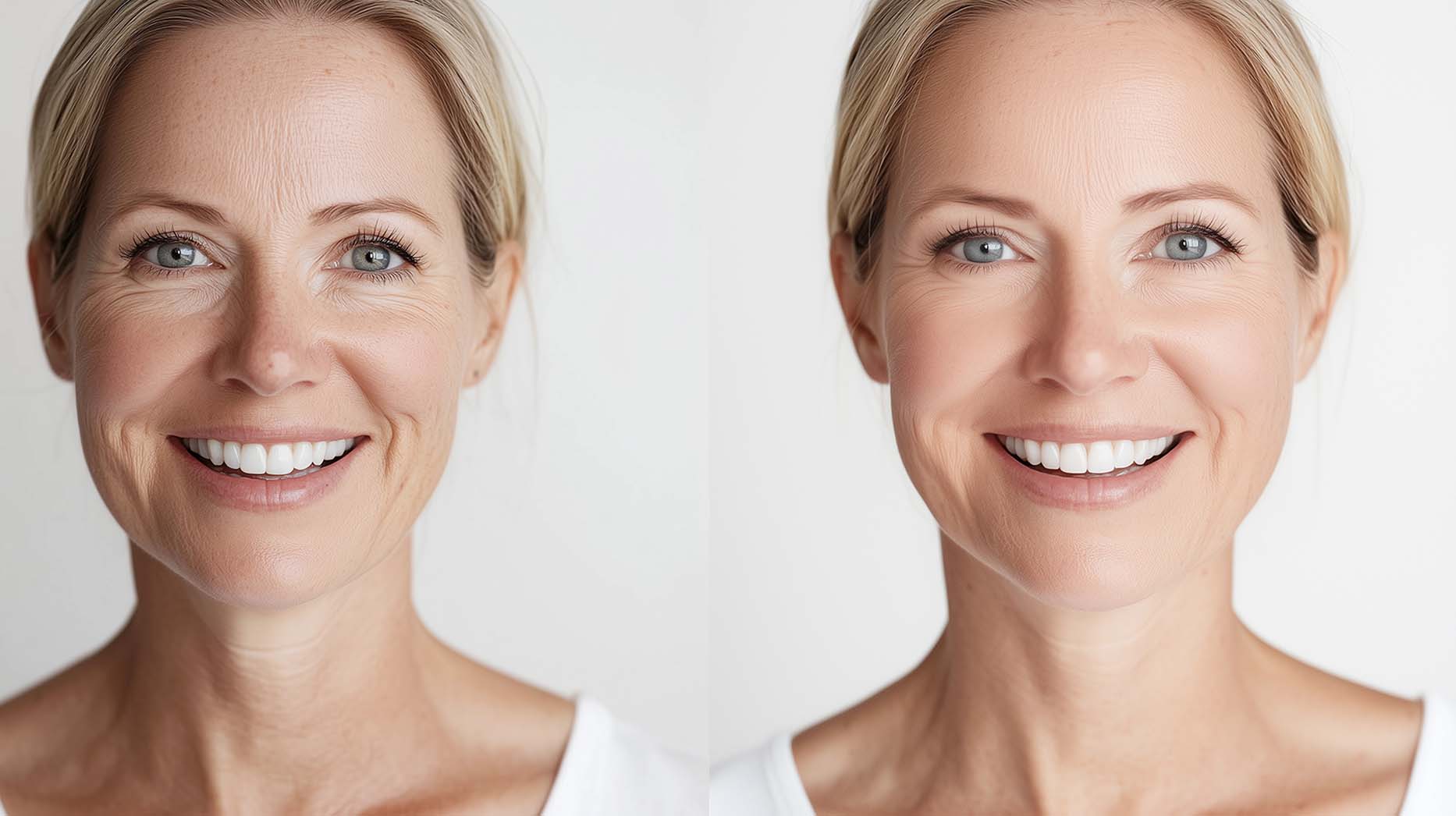
HALO’s versatility makes it an excellent solution for skin that feels tired or imbalanced during colder weather. When applied thoughtfully, it brings a luminous, clarified finish that evolves gradually with each collagen cycle.
Downtime, Peeling, and Recovery: What to Expect in Cold Weather
Unlike more aggressive lasers, HALO is designed to offer visible improvement with manageable downtime. Most clients notice redness and warmth for the first 24–48 hours, followed by a bronzed tone and gentle peeling starting around Day 3. These effects are entirely normal and mark the process of resurfacing and renewal.
Winter’s cooler climate offers a supportive backdrop for healing. Skin tends to retain moisture more efficiently without the interference of heat or sweat, and it’s easier to avoid UV exposure when bundled up indoors or moving through shorter days. Clients often find that the HALO recovery experience feels more comfortable and less disruptive in these months.
To support optimal healing, Applied Aesthetic provides a custom post-care plan tailored to your skin’s baseline condition and treatment depth. For detailed guidance, you can explore our HALO laser post-care guide, which outlines what to expect after treatment and how to support your results at home.
When to Start HALO for Spring-Ready Skin
One of the greatest advantages of beginning HALO in winter is the timeline of results. While some glow is visible within the first week, the true transformation develops gradually thanks to the ongoing collagen production initiated deep within the dermis.
For brides-to-be, professionals preparing for spring events, or anyone seeking radiant skin by April or May, starting your HALO journey in December, January, or February allows for the perfect lead time. You’ll emerge into the new season with smooth, refreshed skin that reflects your inner energy with no need for filters or heavy coverage.
If you’re considering combining HALO with other regenerative modalities like Sculptra or BBL HERO, winter also allows you to plan a full skin optimization path, building on each layer of progress at a comfortable pace.
HALO vs Other Winter Skin Treatments: What’s the Best Fit for You?
While HALO is a standout treatment for winter skin renewal, it’s important to understand how it compares to other regenerative options. The key lies in depth, downtime, and how each treatment supports long-term skin health.
For those with melasma, uneven tone, or early signs of aging, MOXI may be a gentler, melasma-safe alternative. It offers a lighter touch with minimal social downtime, making it an excellent entry point for younger skin or clients looking for subtle refinement.
When comparing HALO to chemical peels, the difference lies in precision. While peels exfoliate chemically from the surface, HALO works through both the epidermis and dermis using fractional laser technology. This allows for more targeted correction of texture, pigment, and deeper signs of aging, often with longer-lasting results.
HALO also pairs beautifully with Sculptra a biostimulator that builds collagen gradually over time. Together, they create a powerful combination: HALO refines the canvas, while Sculptra strengthens the structural integrity beneath it.
For clients with visible redness, broken capillaries, or sun-induced pigment, BBL HERO (BroadBand Light) can be layered with HALO or used as a maintenance modality. These strategic pairings are often mapped out during your consultation, where a full-season skin plan is designed based on your lifestyle, goals, and skin’s current condition.
Why HALO in Garden City Is Perfect for NY Professionals
Applied Aesthetic is designed around the lives of modern professionals who balance demanding schedules, care deeply about their skin’s longevity, and prefer treatments that are effective yet discreet.
Located in Garden City, NY, the clinic is steps from the LIRR and easily accessible to clients commuting from Queens, NYC, or Long Island. Winter makes HALO even more convenient for these individuals, with natural pauses in travel, fewer outdoor commitments, and the ability to recover comfortably without needing to explain time away from the office.
Natalie Sharp, FNP-BC, offers concierge-level care, with every HALO treatment performed one-on-one in a private setting. There are no hand-offs or generic protocols; each laser plan is tailored based on detailed skin analysis and your aesthetic goals. For busy mothers, executives, and brides preparing for spring celebrations, this level of personal attention creates a calm, trusted space where results feel as restorative as the process itself.
What Makes HALO at Applied Aesthetic Different
HALO may be available elsewhere, but the experience and results at Applied Aesthetic are distinct. Every HALO treatment is performed using Sciton’s advanced hybrid fractional technology, but the true differentiator is in how it’s delivered.
Natalie Sharp, FNP-BC, brings not only medical expertise but national-level aesthetic training to every appointment. She educates fellow providers across the country in advanced injection safety and facial artistry, and her approach to HALO reflects that same standard of clinical precision.
Treatments are mapped with the OBSERV 520x skin imaging system, allowing for exact targeting of pigmentation, inflammation, or texture concerns, ensuring energy is delivered precisely where your skin needs it most. This method prevents overtreatment and supports your skin’s ability to recover, renew, and build strength from within.
At Applied Aesthetic, the goal is always subtle enhancement, never overcorrection. Your skin should look refreshed, never obvious. HALO is used not to change how you look, but to restore what time and environment may have taken away.
Your Winter Skin Reset Starts Now
If your skin is feeling dull, dehydrated, or uneven as winter sets in, this is the time to invest in lasting renewal. With less sun exposure, more recovery flexibility, and collagen cycles ready to be activated, HALO becomes not only safe but exceptionally effective in the colder months.
Whether you’re preparing for a spring event, looking ahead to a travel season, or simply wanting to greet the new year with confidence, HALO offers a pathway to brighter, smoother, healthier skin. The results build gradually and beautifully, creating a foundation for long-term skin wellness.
To explore what HALO can do for your skin this winter, schedule your private consultation with Natalie Sharp, FNP-BC. Your journey toward refreshed, luminous skin begins here, one that looks like you, only deeply renewed.
Frequently Asked Questions
Can I get HALO laser after a tropical vacation?
If you’ve recently returned from sun exposure or tanning, it’s best to wait 3–4 weeks before HALO treatment. Skin must be fully healed and free from active tan to prevent complications or uneven results.
Is HALO laser safe for darker skin tones in winter?
Yes, HALO is safe for skin types III–VI when customized appropriately. Winter reduces UV risk, and pre-treatment imaging ensures settings are adjusted to support melanin-rich skin with minimal risk of hyperpigmentation.
How long after HALO can I wear makeup in winter?
Most patients can apply light, non-comedogenic makeup about 48–72 hours after treatment, once peeling begins and skin integrity is restored. Always follow your provider’s guidance for optimal healing and results.
Will HALO help with winter-induced skin dullness?
Absolutely. HALO exfoliates surface buildup, improves cellular turnover, and stimulates collagen, all of which help reverse dullness and reveal a more radiant, even-toned complexion, especially when paired with proper hydration.
Should I avoid indoor heating after HALO laser?
While you don’t need to avoid heating entirely, dry indoor heat can increase post-treatment sensitivity. Use a humidifier and keep skin well-hydrated to maintain barrier strength and comfort during recovery.